Letters Home (2026)
Country: Germany
Language: English, German, Russian
Runtime: 29 min
Genres: short, drama
Filming locations: Germany, Finland, Russia
Credits:
Directors, writers, camera, producers, editors, cast – Alena Starostina, Ivan Nikolaev
Music – Dmitry Vlasik
Sound – Andrey Guryanov
Brief Synopsis:
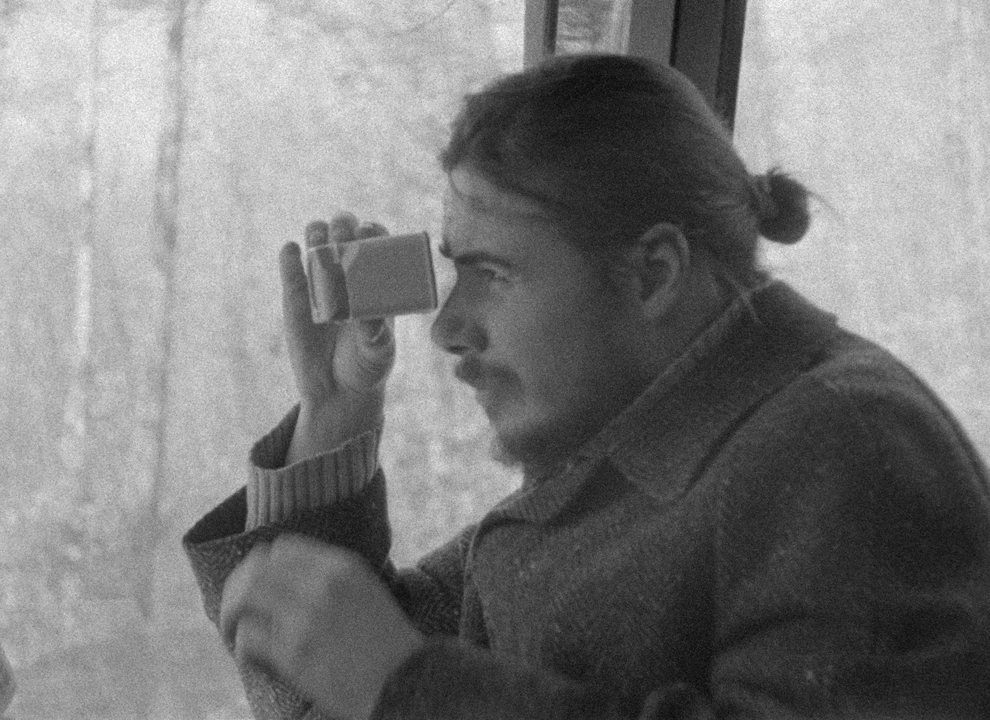
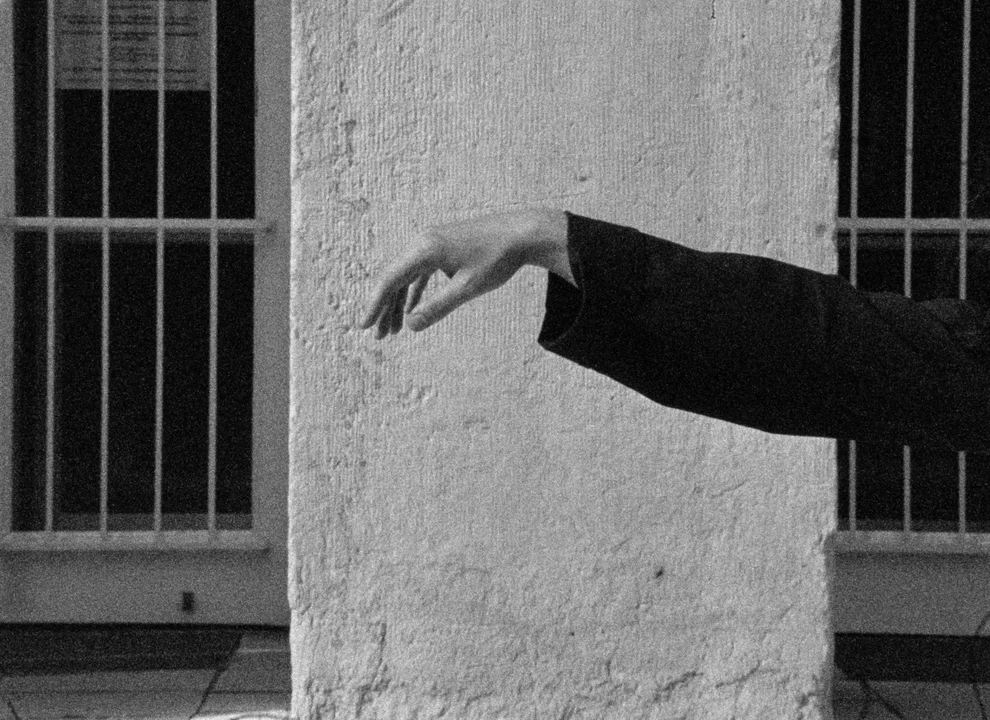
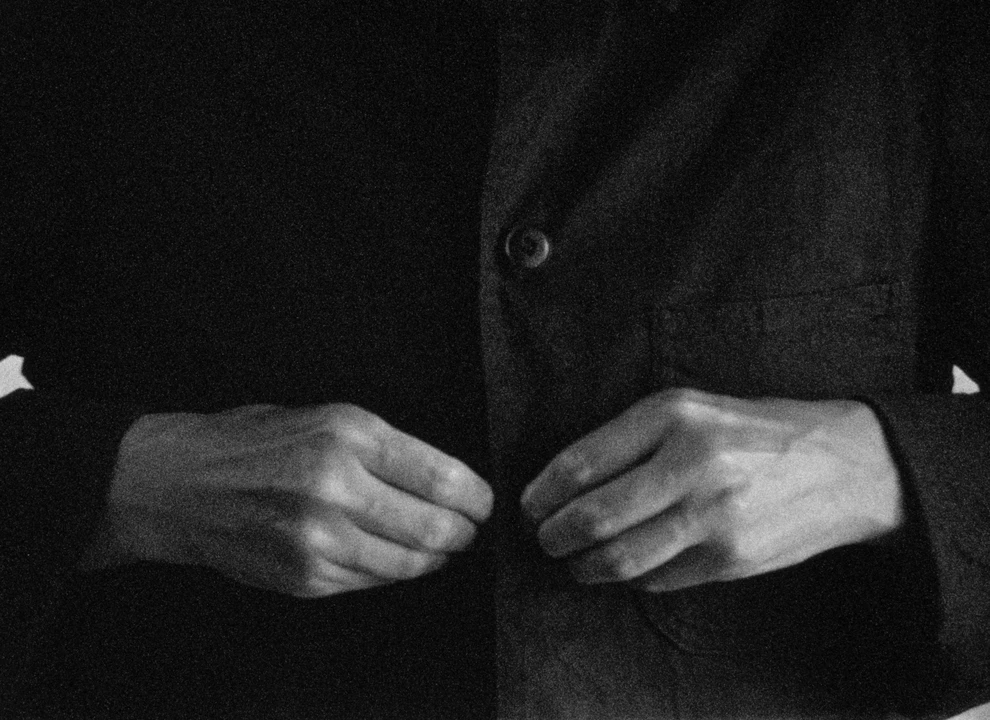
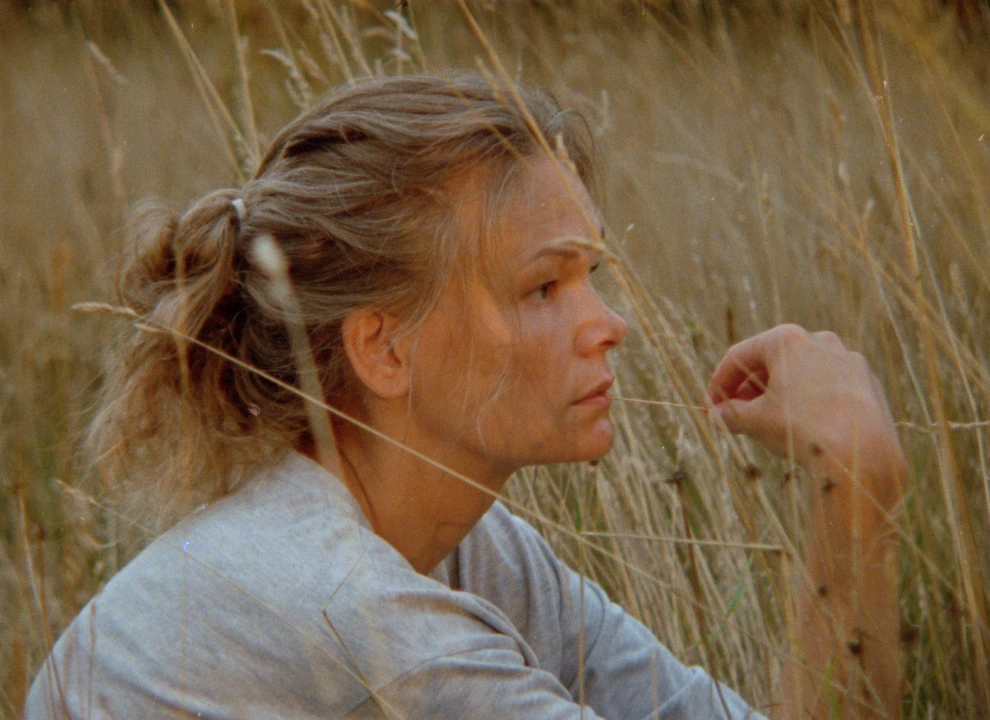
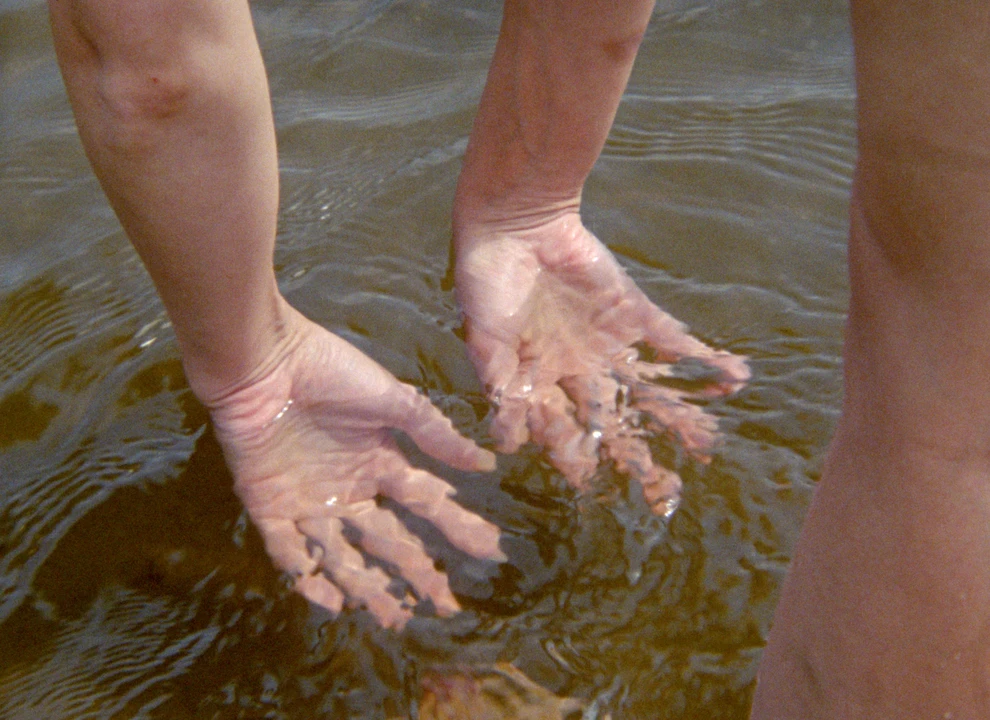
The film is composed of fragmented video diary notes by two theatre makers who emigrated from Russia in 2022. A mosaic of fleeting thoughts, photographs, video recordings, ambient sounds, and everyday movements unfolds into an existential journey in which the protagonists attempt to reflect on the fragile notions of home, language, and memory. Through various analog media – 16mm film, photo slides, and their own bodies, which function simultaneously as canvases and collection of experience – they create a collage of places, colours, and imprints, seeking to catch glimpses of what lies beyond the present. Positioned between autobiography and fiction, the filmmakers do not aim to formulate a cohesive statement, but instead assemble an archive of sensations.
+ Trailer
+ Project development
“Until February 24, 2022, we were working in Russia primarily in theatre, with a particular focus on contemporary playwriting. After the outbreak of the war, we emigrated first to Finland and later to Germany. During our last days at home, we came up with the idea of collecting personal notes that could eventually form the basis of either a performance or a film.
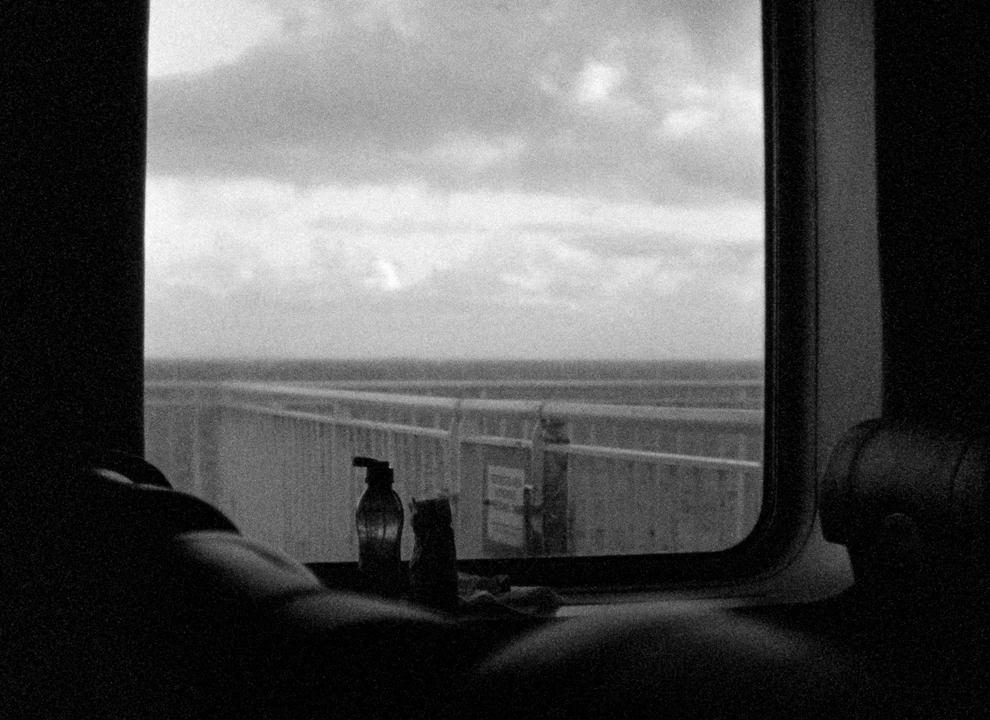
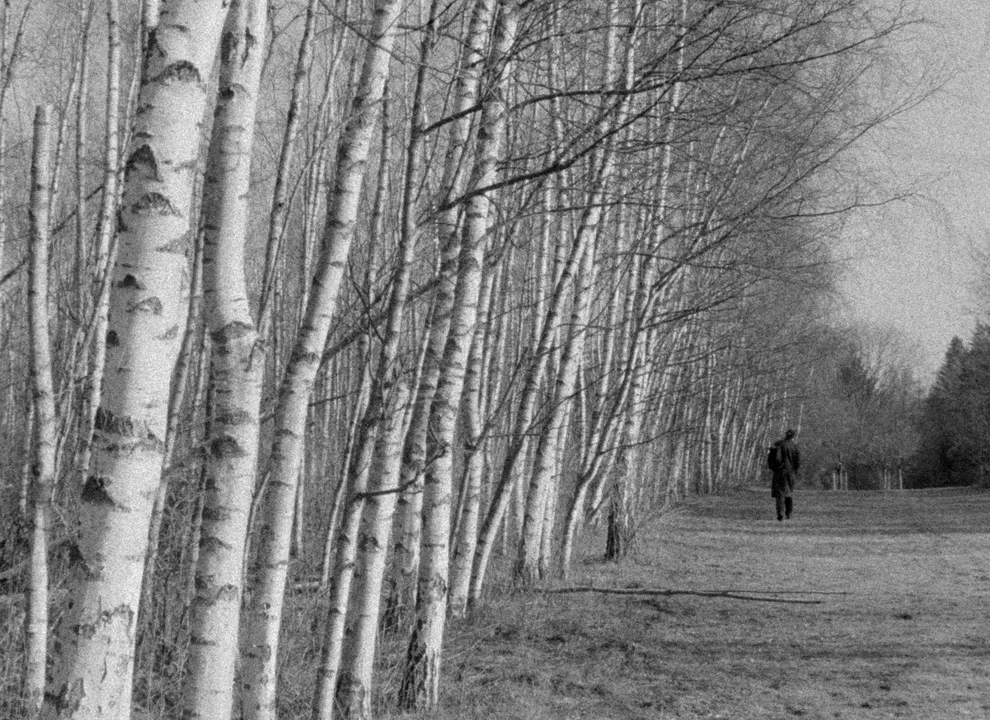
From the very beginning, this chronicle was not intended to distinguish clearly between documentary records and deliberately staged material. The only requirement was that every trace – whether a sound recording, a photograph, a video fragment, a thought, or a line from a book – should retain the imprint of a lived day or event. Some of these materials were direct documents, such as photographs of our empty apartment taken shortly before our departure. Others were imagined in advance and staged later, for example on a ferry or on the banks of the Elbe in Dresden.
In the first years after leaving, and in many ways still today, our inner emotional state changed rapidly from day to day. Constant emotional swings made it impossible to formulate a clear and stable statement. The diary form offered a certain freedom: a diary does not require consistency, a fixed narrative, or a predetermined conclusion. It allows fragments, contradictions, and unfinished thoughts to coexist.
The project initially developed in two parallel directions – as a series of performances and as a film. The premiere of all four parts of the performance cycle Letters Home took place in Dresden in January 2025. These were intimate performances of approximately one hour each, reflecting on notions of home, language, creativity, and loved ones – subjects familiar to anyone who has been forced to leave their home during difficult times.
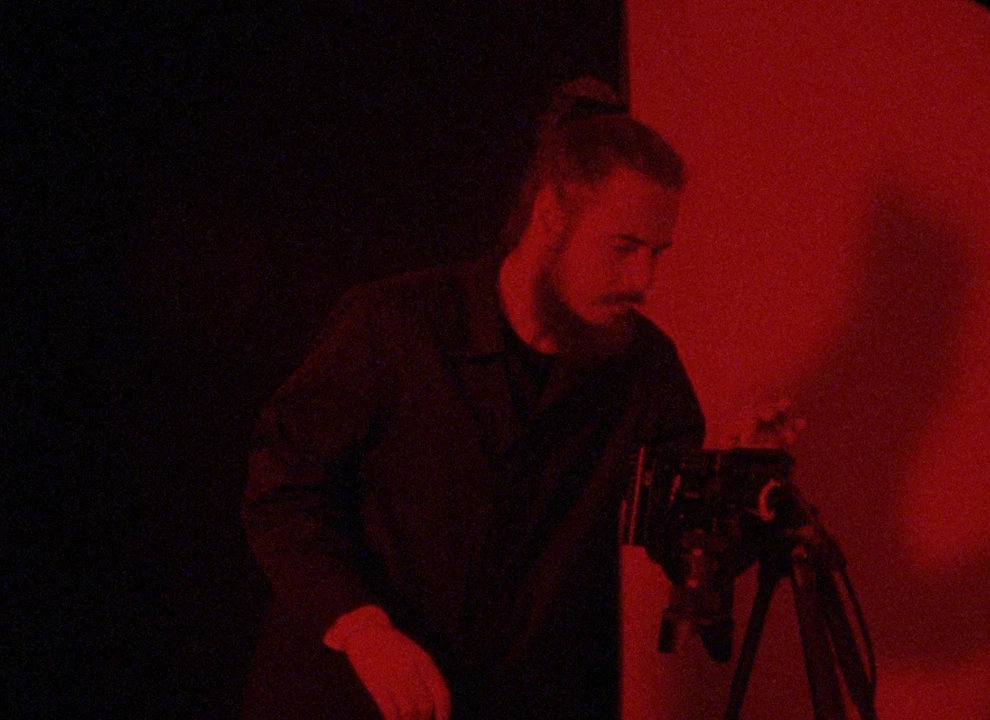
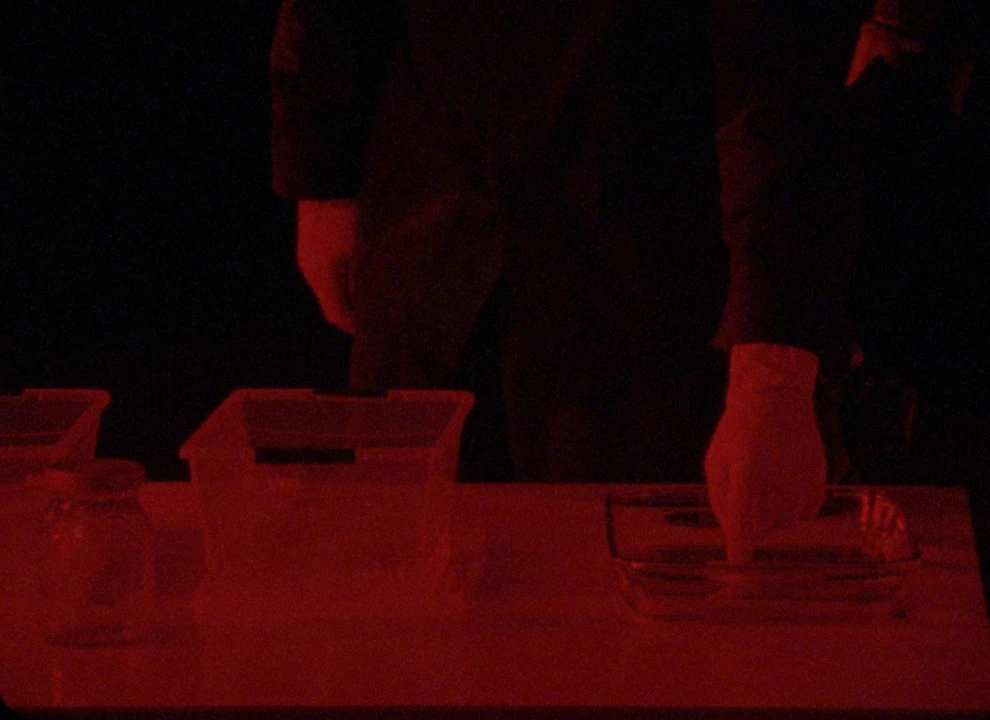
For each performance, we assembled our own evolving chronicle, which later became the foundation of the film. Some material from the performances was subsequently incorporated into the final edit. For example, the scenes showing a photograph emerging during development are actual footage from a live performance, recorded during the event itself and later re-filmed on motion picture film during the final stages of post-production, when we realized how essential these images were to the film. The archive sequence at the end of the film was created much later, during the final stage of production in 2025, while we were editing the film and working on the sound design during our residency at the Akademie Schloss Solitude.
In total the process of filming and collecting material lasted for three years. Any initial intention to construct a more or less coherent fictional narrative gradually dissolved in our own unstable emotional state and in the impossibility of expressing the chaos that was burning inside us all at once: the horror, anger, and shame caused by the ongoing war; the fear, disorientation, and paralysis brought about by an uncertain future; and at the same time the love, warmth, and generosity we received from the people around us.
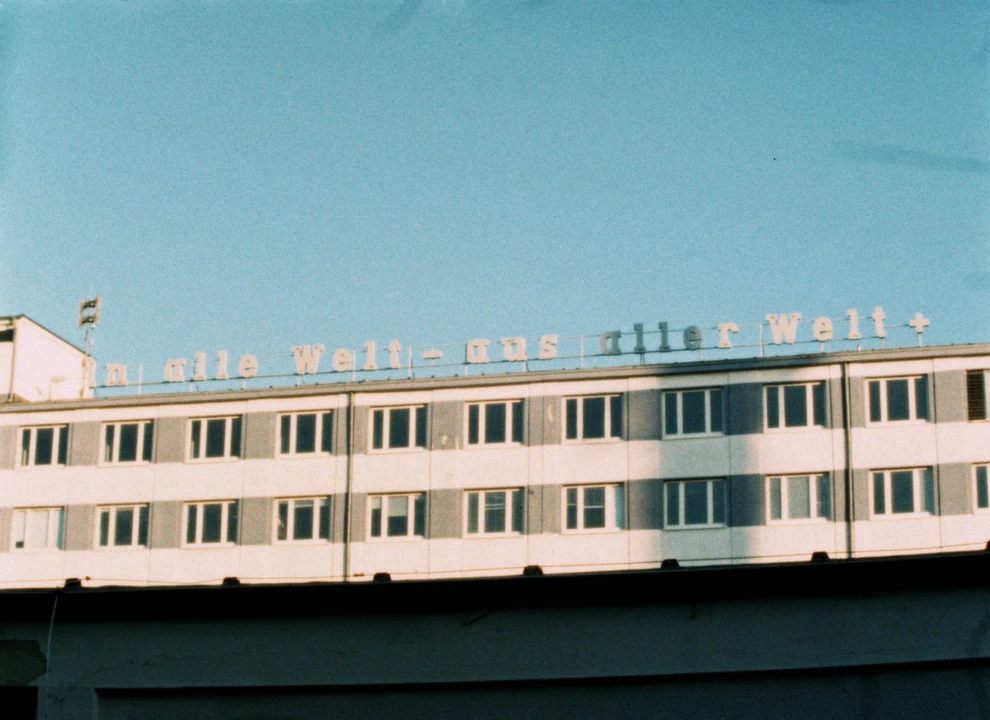
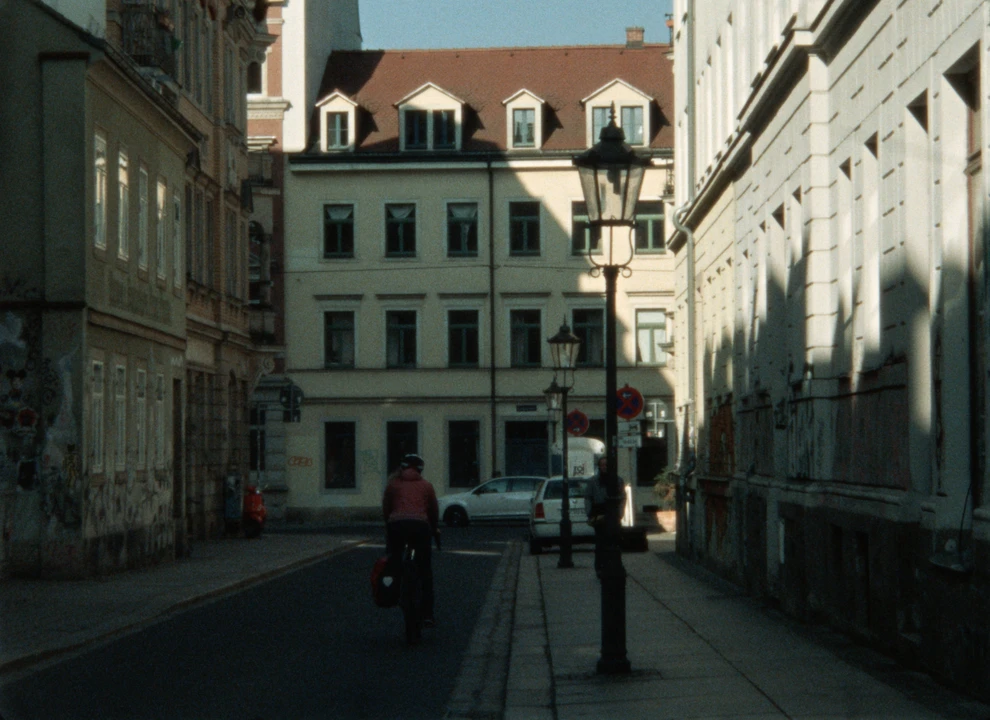
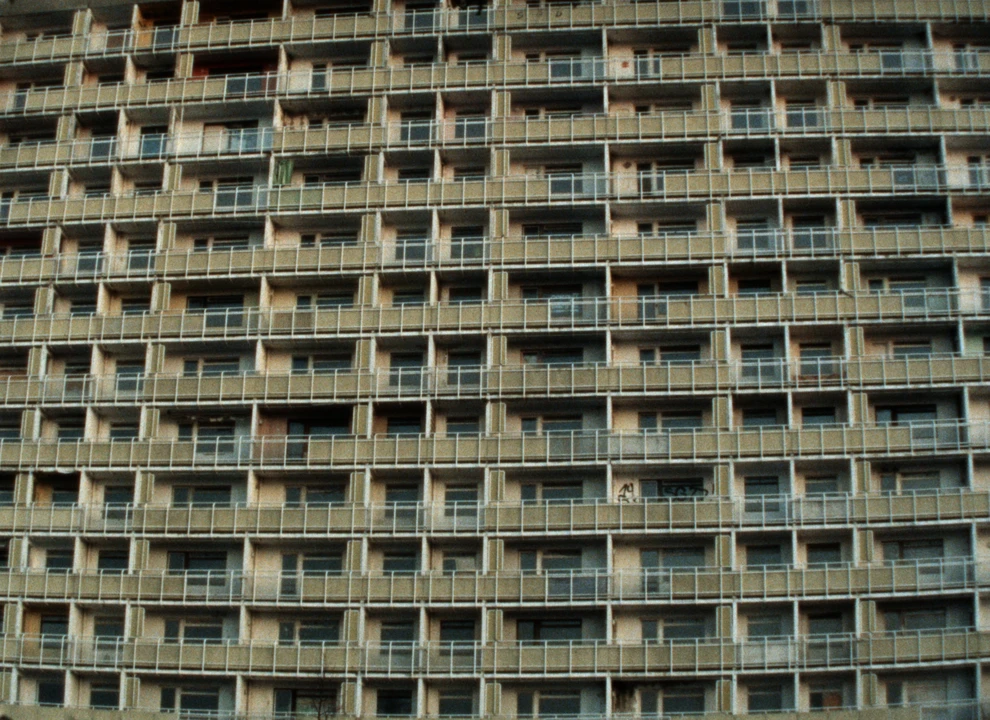
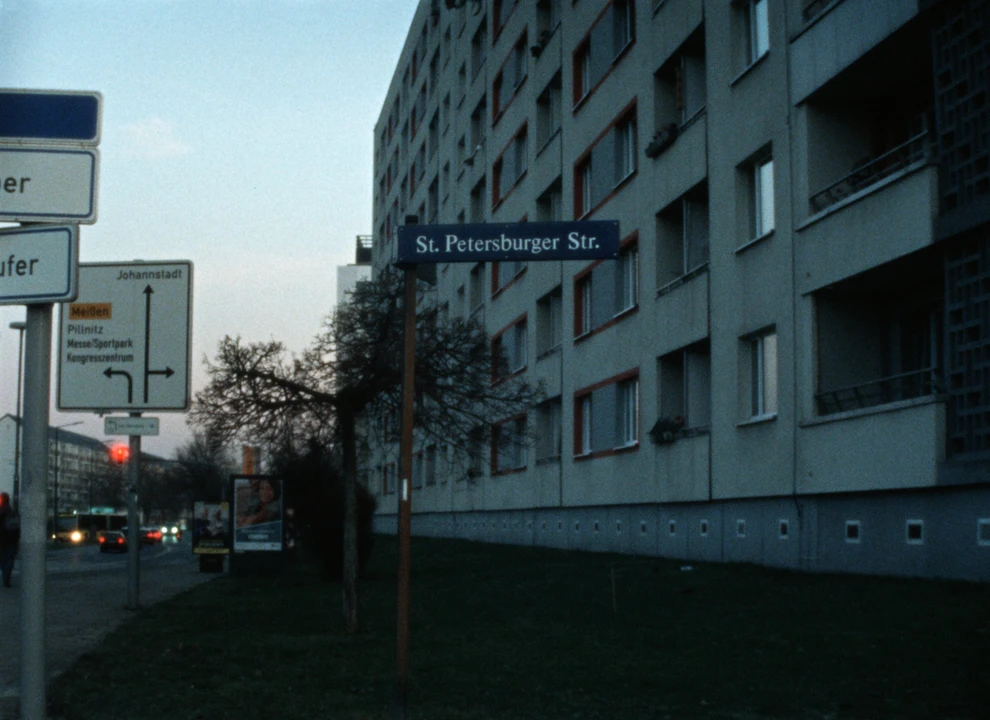
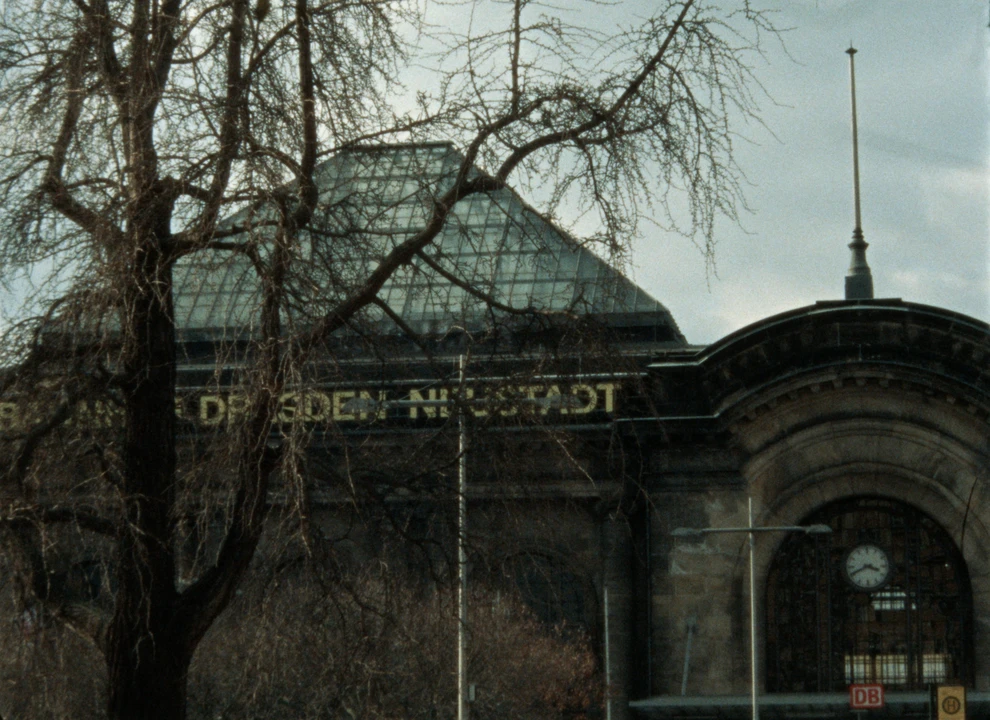
Gradually, Dresden itself – with its complex history, its Baroque architecture standing alongside Soviet-era apartment blocks – became a place of consolation for us and, to some extent, helped extinguish that inner fire.”
Ivan Nikolaev
+ Some details
• The bells heard at the beginning and the end of the film are authentic 18th-century harness bells. Composer Dmitry Vlasik purchased them in Veliky Novgorod and brought them with him when he emigrated to Paris in 2022. Their sound became one of the recurring acoustic motifs of the film.
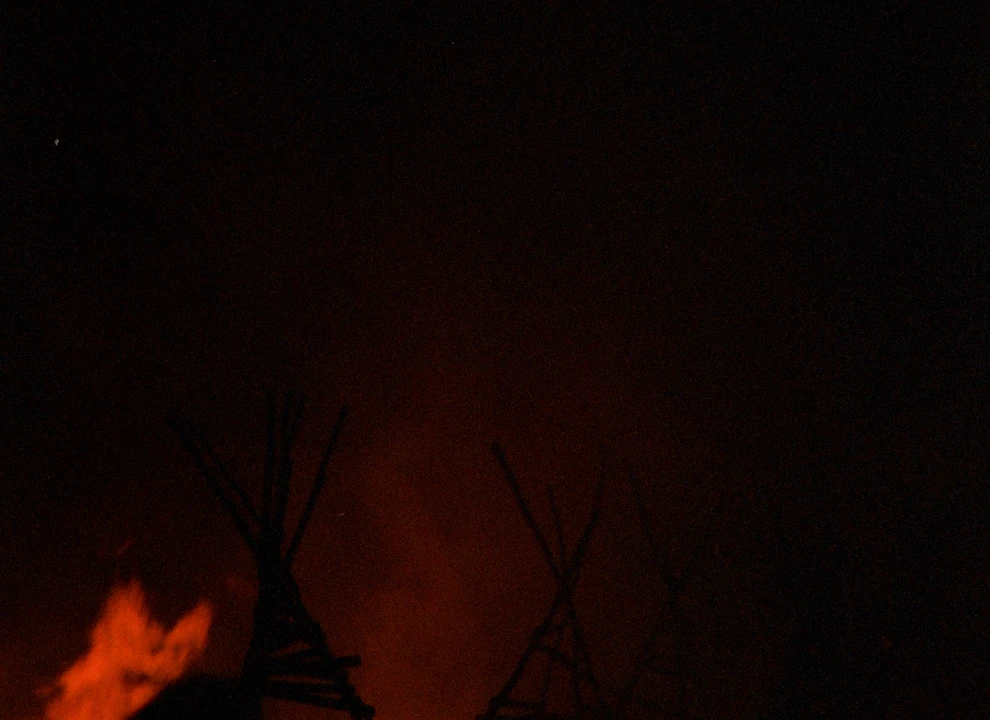
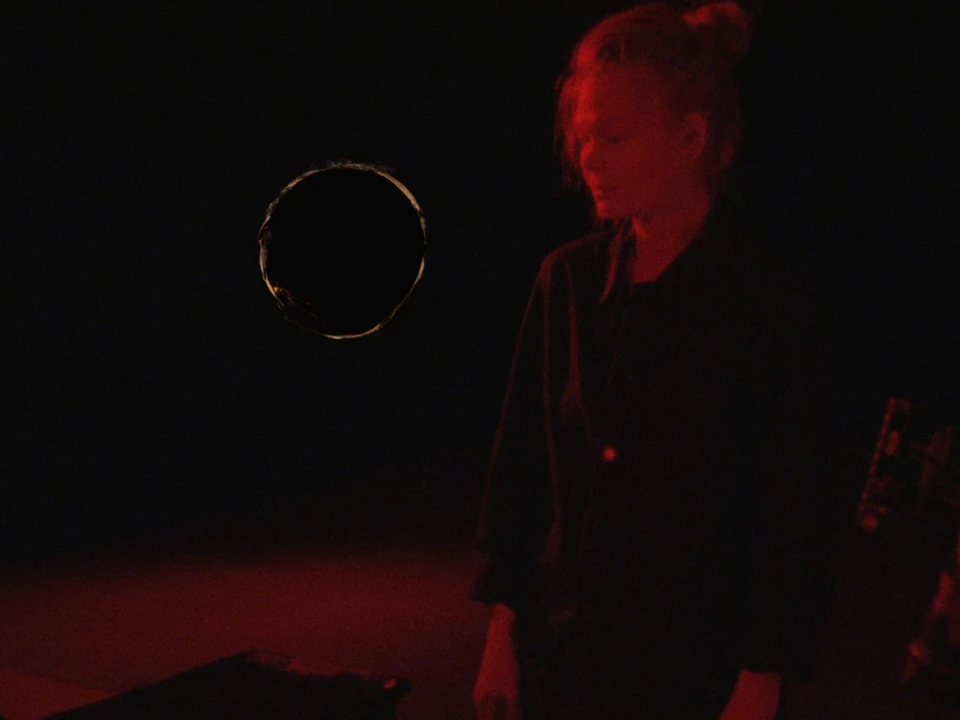
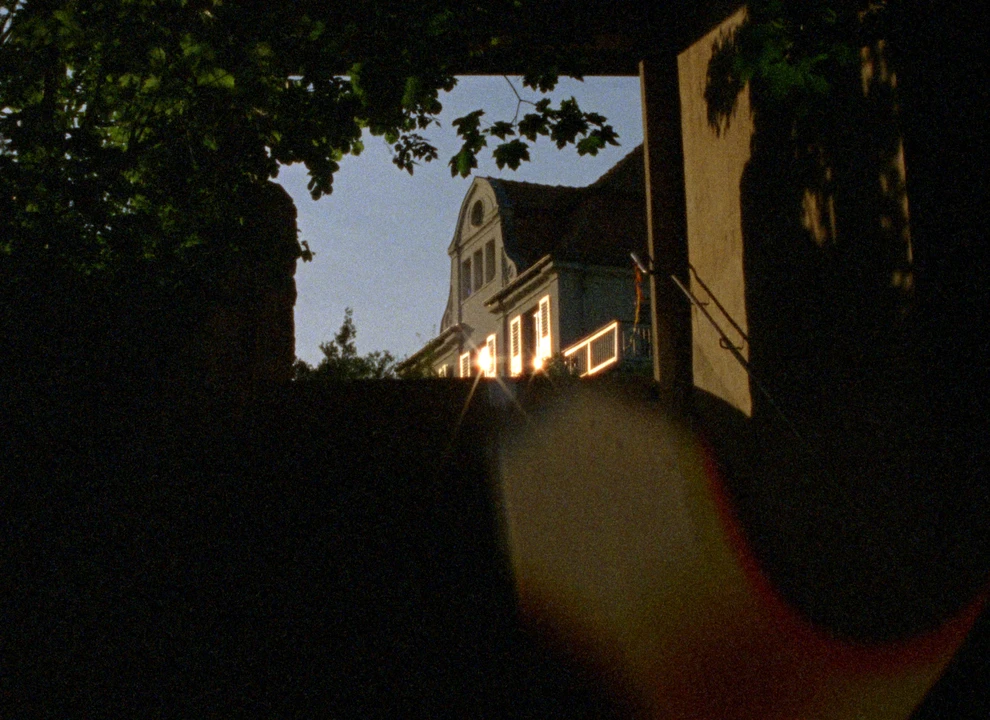
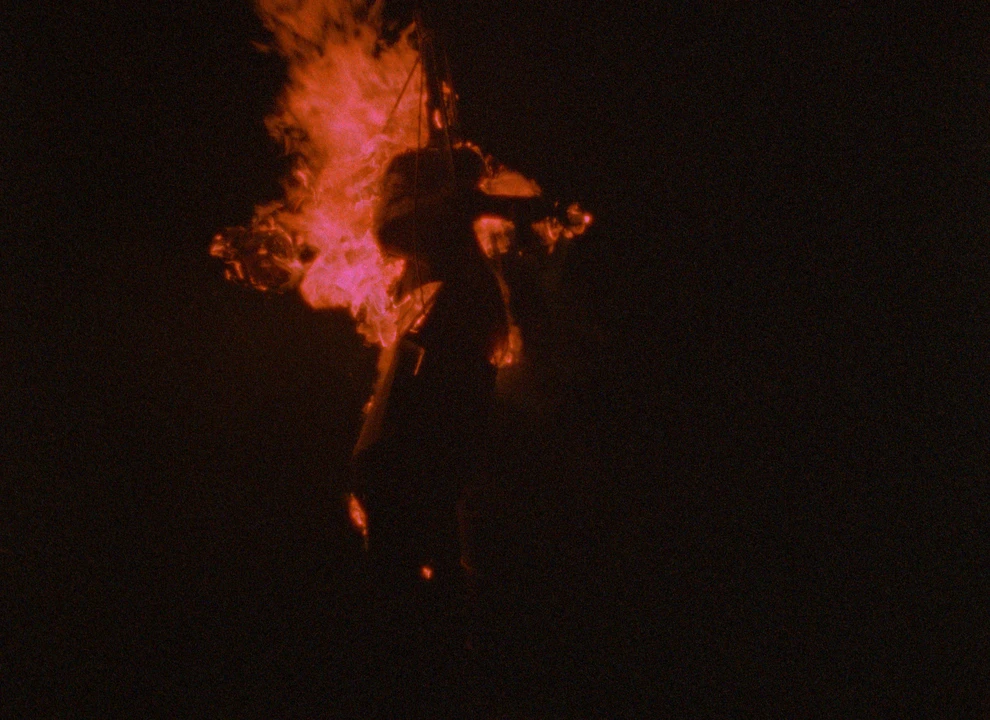
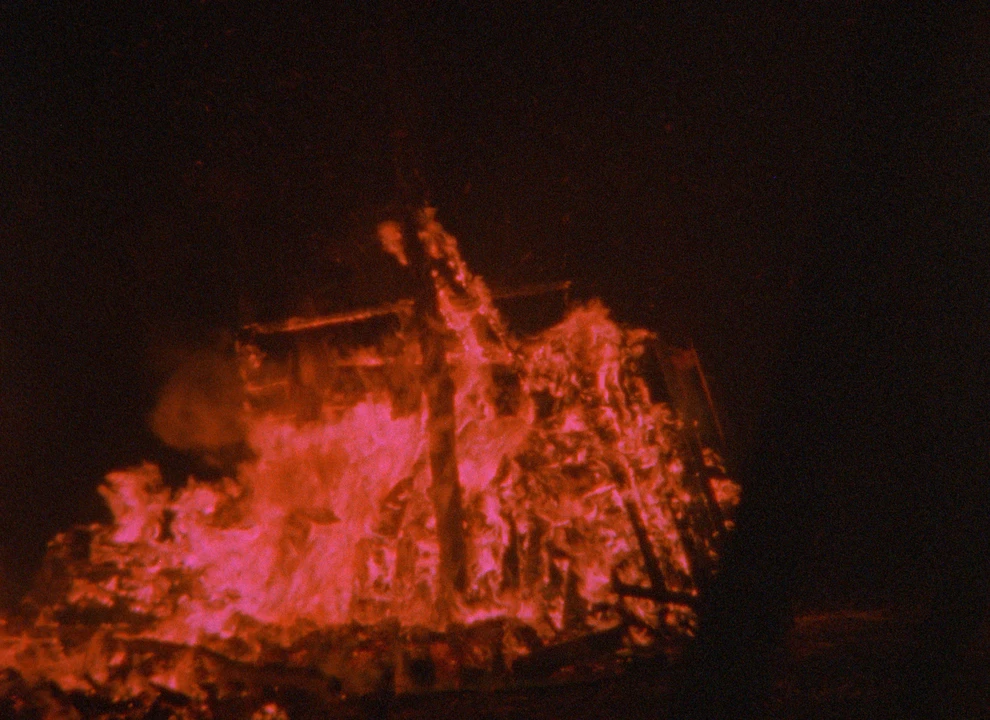
• Since the film was conceived partly in the form of diary entries, we wanted the visual material to reflect the changing nature of a diary itself. Just as a diarist may switch notebooks and paper over time, we envisioned the film being shot on a variety of film stocks. One of our ambitions was to use every 16mm film stock commercially available at the time. This goal was largely, though not entirely, achieved. We used all Kodak stocks available during production, with the exception of Verita, which was released only in April 2026. We were also unable to include footage shot on Fomapan R100, Cine, and Ortho stocks, as one of these rolls was damaged in the laboratory and the entire section filmed on these materials had to be removed from the final edit. The fire sequence was filmed on expired Kodak EXR 500T stock manufactured in the early 1990s.
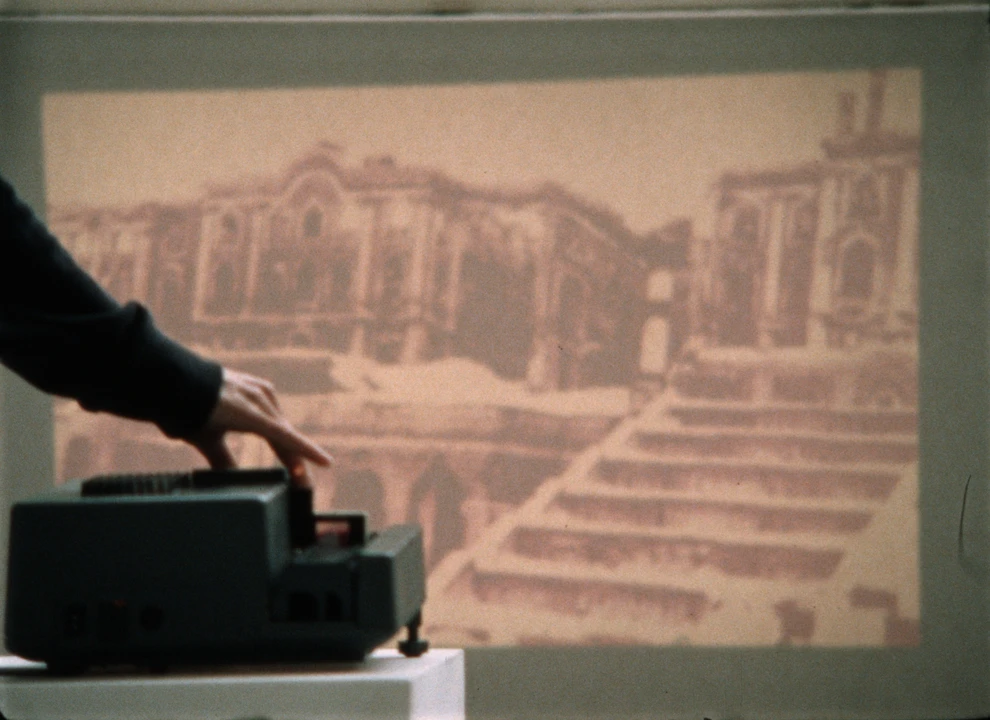
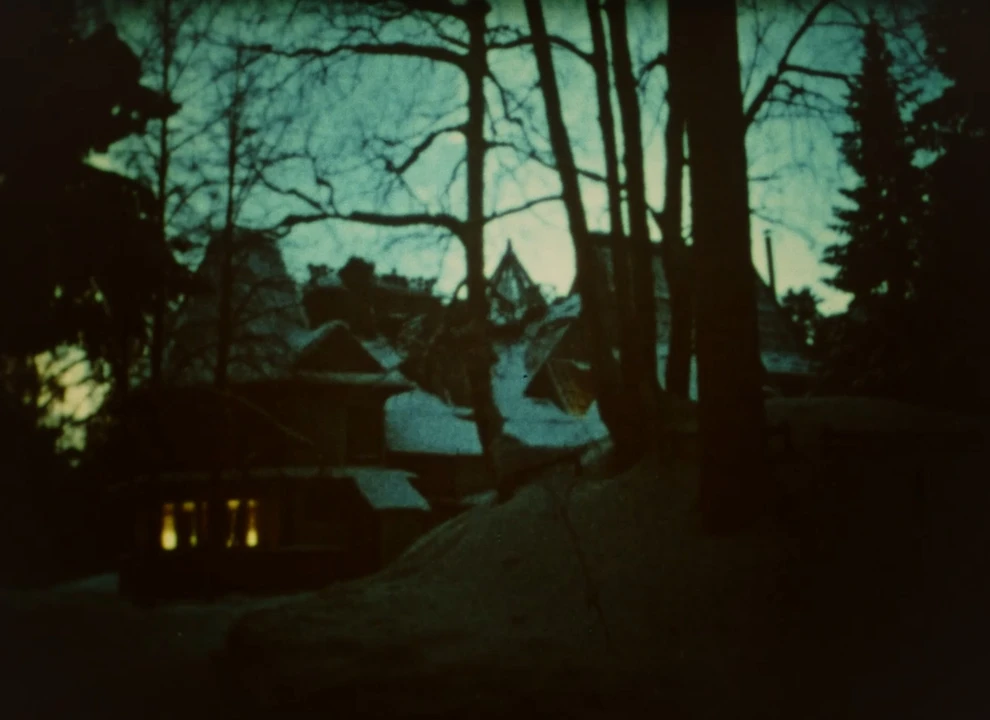
• The footage featuring portraits painted by Ilya Repin, as well as images of his estate, which he named Penates, originates from the Soviet educational film Portrait in the Work of Repin. The film entered the project entirely by chance: a 16mm print was found in a box together with a second-hand projector purchased by the filmmakers. The projector was later taken with them during their emigration from Russia and subsequently used in performances in Germany. The print itself was digitized by the filmmakers, and selected fragments were later incorporated into the film. Interestingly, Repin’s estate is located not far from the filmmakers’ former home, and they often spent time in this area on weekends. For this reason, it came to represent, within the film, a broader symbol for home itself.
+ Tech specs
Shooting Format: 16mm
Color: color, BW
Aspect ratio: 4:3
Camera: Krasnogorsk-3(Meteor 5-1 f/1.9 17-69mm), Arriflex 16BL (Carl Zeiss Vario-Sonnar 10–100mm f/2.8)
Film stock: Kodak Vision3 250D 7207, Kodak Vision3 50D 7203, Kodak Vision3 200T 7213, Kodak Vision3 500T 7219, Kodak Double-X 7222, Kodak Ektachrome 100D 7294, Kodak TRI-X 7266, ORWO UN54, Kodak EXR 500T 7298
+ Photo
+ Collaboration Partners
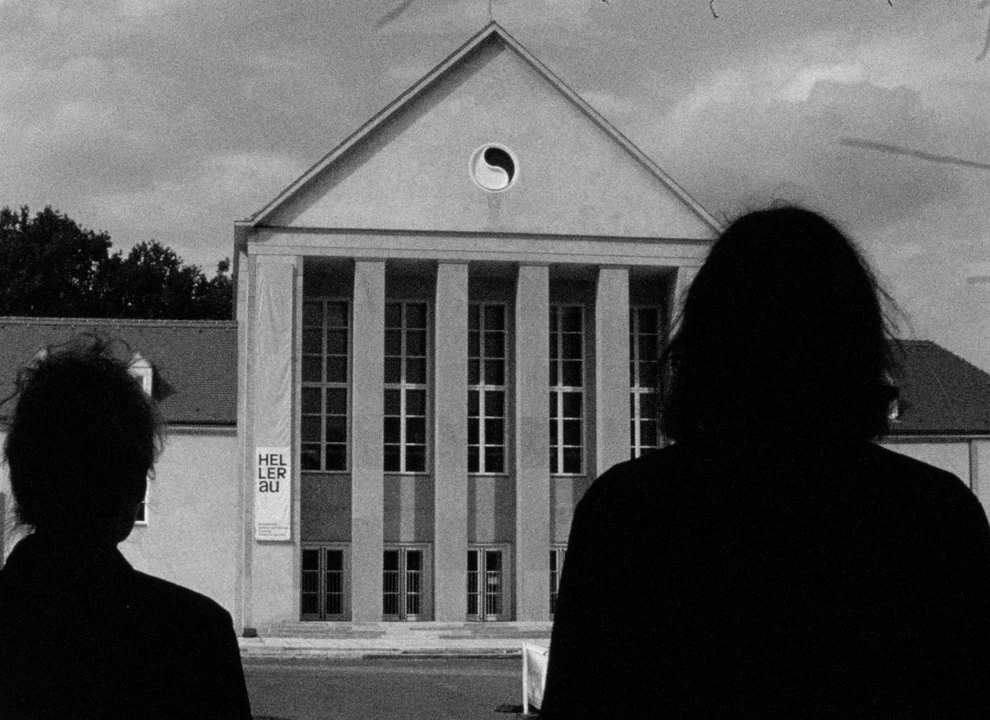
European Center for the Arts Hellerau
The Akademie Schloss Solitude
Significant support during various phases of development was provided by the Martin Roth Initiative, Artists at Risk, and the Dresden University of Fine Arts
+ Contacts
E-mail: [email protected]
© 2026 aliveduo